Steel Pressed Toys of the 1960s and 1970s: Icons of a Bygone Playtime
Before plastic took over toy aisles, pressed steel toys ruled playrooms, sandboxes, and backyards across America. Built tough, heavy, and often loud, these toys defined childhood for kids growing up in the 1960s and 1970s. Today, they’re prized by collectors and remembered fondly for their durability, realism, and industrial charm.
1/24/20262 min read
Before plastic took over toy aisles, pressed steel toys ruled playrooms, sandboxes, and backyards across America. Built tough, heavy, and often loud, these toys defined childhood for kids growing up in the 1960s and 1970s. Today, they’re prized by collectors and remembered fondly for their durability, realism, and industrial charm.
What Are Pressed Steel Toys?
Pressed steel toys were made by stamping sheets of steel into shapes using industrial presses, then assembling them with rivets, screws, or spot welds. Most were finished with baked enamel paint, giving them a glossy, long-lasting color.
Key characteristics:
Heavy weight and solid feel
Realistic proportions
Functional parts (dump beds, cranes, doors, steering wheels)
Designed to survive rough outdoor play
These weren’t shelf toys — they were built to be used.
Why They Were So Popular in the 60s and 70s
Several cultural factors made pressed steel toys especially popular during this era:
Post-war industrial pride – Kids were fascinated by construction, trucking, farming, and manufacturing
Booming infrastructure – Highways, subdivisions, and factories were everywhere
Durability mattered – Parents wanted toys that wouldn’t break after a week
Limited electronics – Imagination did the work
A steel dump truck and a dirt pile could entertain a kid all afternoon.
Most Popular Types of Steel Pressed Toys
🚛 Trucks & Construction Vehicles
Dump trucks, cement mixers, cranes, bulldozers, and tow trucks were the kings of steel toys. Many featured:
Working dump beds
Hand-crank cranes
Rubber or steel wheels
Construction toys were especially popular because they mirrored real jobs kids saw daily.
🚜 Farm Equipment
Steel tractors, wagons, plows, and grain trucks reflected America’s agricultural roots. These toys often:
Matched real tractor brands
Had hitch points and movable parts
Were built for outdoor dirt and mud play
🚓 Emergency & Utility Vehicles
Fire engines, police cars, ambulances, and service trucks were common and instantly recognizable thanks to bold paint schemes and decals.
🚂 Ride-On & Large Scale Toys
Some pressed steel toys were big enough to ride or push, including:
Scooters
Pedal cars
Large wagons
These were premium toys and often handed down between siblings.
Legendary Pressed Steel Toy Brands
Tonka
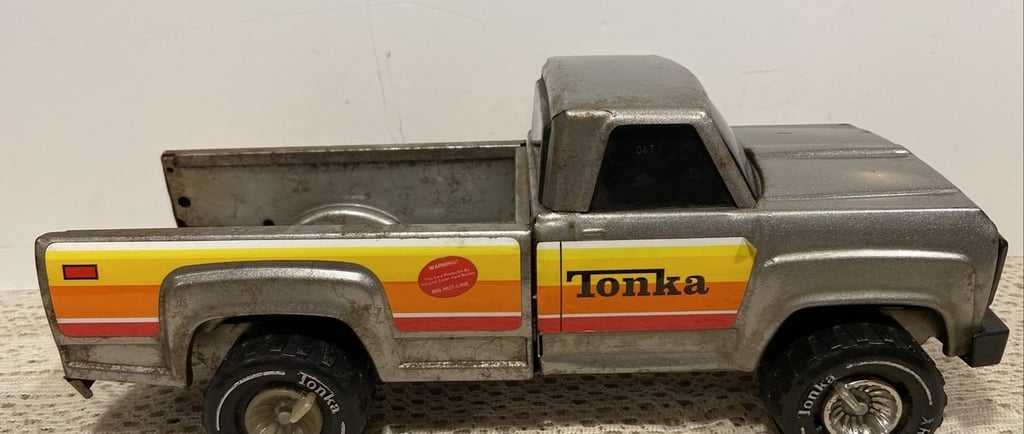
The most famous name in pressed steel toys. Tonka trucks were nearly indestructible and became a symbol of American toughness.
Buddy L
Known for realistic scale models and early pressed steel craftsmanship, especially in trucks and trains.
Structo
Specialized in industrial-style trucks and construction equipment with working mechanical parts.
Nylint
Popular in the late 60s and 70s, especially for automotive and licensed vehicle replicas.
The Shift Away From Steel
By the late 1970s:
Plastic became cheaper to produce
Safety regulations increased
Electronics and licensed characters grew popular
Pressed steel toys slowly faded from mainstream production, though Tonka continued steel manufacturing longer than most.
Why Collectors Love Them Today
Pressed steel toys are now highly collectible because:
They age beautifully with worn paint and patina
They were made in the USA
They represent a hands-on, pre-digital childhood
Condition, originality, decals, and working parts all affect value. Some rare models sell for hundreds or even thousands of dollars.
A Lasting Legacy
Pressed steel toys from the 60s and 70s weren’t just toys — they were tools for imagination, built with the same mindset as the machines they represented: strong, functional, and made to last.
In an era of disposable plastic, these steel classics remind us when toys were built like real equipment — and kids treated them like it.